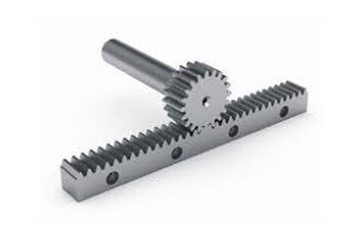
By Kingstrans – Global Supplier of Power Transmission Components, Gear Racks, Pinions & Driveline Systems Introduction: Why Rack and Pinion Systems Matter in Modern Engineering The rack and pinion system—widely known as the gear and rack mechanism—is one of the most fundamental mechanical assemblies used for converting rotational motion into linear motion or vice versa. Even though the technology has existed for centuries, modern industries rely on rack and pinion drives more than ever. They are essential in CNC machinery, robotics, automotive steering, industrial automation, factory equipment, valve actuators, elevators, hoists, and motion-control systems. With increasing demand for accuracy, load-bearing capacity, positioning repeatability, and long-distance linear motion, rack and pinion systems offer unmatched advantages over belts, chains, screws, or hydraulic cylinders. This comprehensive guide explains everything you need to know about: What a gear and rack system is How rack and pinion mechanisms work Types of gear racks and pinions Material selection & engineering requirements Key specifications to identify Real-world industrial applications Advantages & limitations How to choose the right rack & pinion for your system Such as gear rack, rack and pinion system, industrial rack and pinion, precision gear rack, power transmission racks, and linear motion systems. What Is a Gear and Rack (Rack & Pinion) System? A gear and rack system—also called a rack and pinion system—consists of: A pinion (circular gear) A rack (straight toothed linear bar) When the pinion rotates, its teeth mesh with the rack, converting the rotation into straight-line motion. Similarly, pushing or pulling the rack forces the pinion to rotate. This two-way motion conversion makes the mechanism highly versatile in industrial and mechanical engineering. Key Characteristics Converts rotary → linear or linear → rotary Provides precise movement over long distances Capable of transmitting high torque and high loads Works efficiently in harsh environments (dust, heat, vibration) Rack and pinion systems are among the most durable, reliable, and cost-effective linear drive components. How Rack and Pinion Systems Work (Detailed Functionality) A. Motion Conversion The primary function is the translation of rotational movement from the pinion into linear movement of the rack. When the pinion turns clockwise: → The rack moves in one direction. When the pinion turns counterclockwise: → The rack moves in the opposite direction. This is the basis of: Steering systems Gate automation CNC machine travel Lifting devices Valve actuators B. Power Transmission Because the teeth of the rack and pinion remain in constant engagement, they offer a smooth, controlled, and efficient power transfer. This makes them ideal for long-stroke linear motion, where belts or screws face performance limitations. C. Precision and Control Engineered properly, rack and pinion systems deliver: Very low backlash High repeatability Positioning accuracy up to microns High torque capacity This is why high-end CNC routers and laser machines prefer gear racks over ball screws. Components of a Rack and Pinion System A standard system includes: 1. The Rack A linear bar with uniformly cut gear teeth along its length. 2. The Pinion Gear A round gear that engages with the rack. 3. Bearings & Mounting Block Support rotational movement and alignment. 4. Housing or Guide Rail Ensures rack remains fixed and linear. 5. Lubrication System For smooth and quiet operation. Types of Gear Racks (Explained) A. Straight (Spur) Gear Racks Teeth cut straight across and parallel to the rack axis. Common in industrial machinery, lifting equipment, and material handling. Cost-effective, easy to manufacture. Best For: General mechanical systems, automotive applications, low to moderate speed operations. B. Helical Gear Racks Teeth cut at an angle (helix angle). Provide smoother and quieter operation. Can transmit higher loads due to better tooth engagement. Advantages Less noise Reduced vibration Higher load capacity Higher speed capability Best For: CNC machines, robotics, automation lines, precision motion control. C. Circular Gear Racks Racks shaped in a curved arc. Applications: Turntables, rotating platforms, cranes, and indexing mechanisms. D. Hardened & Ground Gear Racks Gear racks with hardened teeth for extreme durability. Used In: Heavy machinery, steel plants, mining equipment, and high-performance CNC systems. Types of Pinions 1. Spur Pinions Simple, cost-effective, commonly used. 2. Helical Pinions Silent, smooth, suitable for precision systems. 3. Internal Pinions Used in circular rack systems. 4. Hardened Steel Pinions For high torque and heavy load environments. Industrial Applications of Rack and Pinion Systems Rack and pinion drives are found in hundreds of industries. Below are the most common sectors. 1. Automotive Steering Systems The best-known application. Rotating the steering wheel turns the pinion The rack slides left/right Wheels turn accordingly Benefits Smooth steering High precision Compact design 2. CNC Machines High-speed routers, plasma cutters, and woodworking machines rely heavily on gear racks. Why? Maintain accuracy over long distances Handle high-speed motion Support large loads and heavy gantries Ball screws are limited in length and speed—rack and pinion solves this. 3. Robotics & Automation Used to move robotic arms, automated guided vehicles (AGVs), and industrial robots. Advantages Precision Repeatability Compact motion control 4. Elevators, Hoists & Lifting Platforms Rack and pinion lifting systems allow vertical movement without cables. Used in: Construction hoists Industrial lifts Service elevators 5. Rack Railways On steep grades, locomotives use a pinion engaging a rack between rails to provide traction. Used in: Mountain railways Mining vehicles Industrial transport systems 6. Gates, Doors & Industrial Valves Automation systems use rack and pinion actuators for: Sliding gates Security shutters High-pressure valves 7. Heavy Machinery & Construction Cranes, excavators, drilling rigs, and tunnel boring machines use large rack and pinion drives for robust motion. Engineering Advantages of Rack and Pinion Systems 1. High Load Capacity Gear teeth allow enormous torque and linear forces. 2. Unlimited Travel Length Belts and screws have travel limits—but racks can extend indefinitely. 3. Excellent Accuracy Especially helical and ground racks. 4. High Speed Operation Suitable for machinery requiring fast linear motion. 5. Simplicity & Low Maintenance Few moving parts and easy lubrication. Limitations of Rack and Pinion Systems Requires periodic lubrication Slightly louder than ball screws (unless using helical racks) Cost can rise for precision
カテゴリー: ギアとラック
ギアとラックを理解するための完全ガイド
ギアとラックは、ラック アンド ピニオン システムとして知られている機械部品で、主に回転運動を直線運動に、またはその逆に変換するために使用されます。ギアは通常、歯が付いた円形ですが、ギア ラックは、円形ギア (ピニオン) とかみ合う、1 つのエッジに沿って歯が付いたまっすぐな棒です。ギアとラックの種類 ギアには、さまざまなアプリケーションのニーズに合わせてさまざまなタイプがありますが、ギア ラックは通常、歯の形によって分類されます。 平歯車: これらはまっすぐな歯を持っており、平行なシャフト間で動力を伝達するために使用される最も一般的なタイプです。中程度の負荷に対してシンプルで効率的です。 はすば歯車: これらは、より緩やかなかみ合いを可能にする角度の付いた歯を持っており、特に高速度および高負荷の場合に、よりスムーズで静かな動作を実現します。 かさ歯車: これらは円錐形で、多くの場合 90 度の角度で交差するシャフト間で動力を伝達するために使用されます。ウォーム ギア: ねじのような「ウォーム」がギアとかみ合うのが特徴で、高いギア減速比とセルフロック機能 (動きを逆転させることはできません) を提供します。 ギア ラック: ストレート ギア ラック: 歯がまっすぐな最も基本的なタイプで、リフティング システムや単純な機械でよく使用されます。 ヘリカル ギア ラック: 歯が斜めになっているので静かな動作と荷重分散に優れ、CNC マシンなどの高精度のアプリケーションに最適です。 ラウンド ギア ラック: 丸いロッドの片側に歯が切られているもので、特定の取り付けや移動のニーズに適しています。 一般的な用途 ギアおよびラック システムの主な用途は、正確で信頼性の高い直線移動を必要とするアプリケーションです。 自動車のステアリング システム: ステアリング ホイール (ピニオン) の回転が、車輪を操縦するために必要な直線移動に変換される典型的な例です。 CNC マシン: ツール キャリッジの正確な動きに使用され、製造工程の精度を保証します。ロボット工学と自動化: ロボット アームや自動組立ラインで制御された直線運動を実現するために不可欠です。 マテリアル ハンドリング: さまざまなコンベア システムや工業用プレスでアイテムを所定の位置に移動するために使用されます。 材料と製品の例 ギアとラックは、負荷、環境、パフォーマンス要件に応じてさまざまな材料から製造されています。 スチール: 強度と耐久性に優れ、耐久性に優れているため、高負荷の産業用途に最適です。例としては、Martin Sprocket & Gear R2010X4 ギア ラックはスチール製です。 ステンレス鋼: 耐腐食性があり、湿気の多い環境や水没した環境での用途に適しています。416 ステンレス鋼製の Worcester Gears&Racks ギア ラックはそうした製品の 1 つです。 プラスチック/樹脂: ポリアセタールやナイロンなどの軽量オプションは、ノイズ低減や自己潤滑が重要な軽負荷に使用されます。 真鍮: 優れた機械加工性と耐腐食性で知られています。 KG 在庫ギア - RK80B5-0510 - 真鍮ギアラック 結論 当社の幅広いギアラック、ピニオン、ギアを調べて、アプリケーションに最適なソリューションを見つけてください。 Kingstrans Precision Co., Ltd. は、ギアとラックのあらゆる要件に対応する信頼できるパートナーです。農業用ギアボックス、PTO シャフト、油圧シリンダーの詳細や見積もり依頼については、今すぐお問い合わせください。 FAQ 1. ギアラックとは何ですか。どのように機能しますか? ギアラックは、円形ギア (ピニオン) と一緒に回転運動を正確な直線運動に変換するまっすぐな歯のバーであり、自動化、リフト、CNC マシン、およびモーション コントロール システムによく使用されます。 2. ラック アンド ピニオン ギアの用途は何ですか? ラック アンド ピニオン システムは、自動車、ロボット工学、CNC 機械、梱包機器、階段昇降機などの業界で、位置決め、持ち上げ、ステアリング、およびモーション コントロールに使用されます。 3. アプリケーションに適したギアラックを選択するにはどうすればよいですか?ギアラックは、負荷容量、ピッチ、モジュール、材質、長さ、歯形、ヘリカル歯かストレート歯(平歯)かに基づいて選択します。精密アプリケーションや高負荷アプリケーションでは、カスタム設計が必要になる場合があります。 4. ギアラックに最適な材料は何ですか? ギアラックは通常、合金鋼、硬化鋼、ステンレス鋼、または炭素鋼で作られています。硬化鋼は高い強度と耐摩耗性を提供し、ステンレス鋼は耐腐食性が必要な場合に使用されます。 5. カスタムのギアラックとピニオンを注文できますか? はい。カスタムギアラックは、モジュールサイズ、長さ、歯形、硬度、機械加工公差など、図面の仕様に合わせて製造できます。 6. ギアラックはどのくらいの長さまで製造できますか? 精密ギアラックは標準の長さで利用でき、アプリケーションと機械の能力に応じて最大 3 メートル以上までカスタムメイドできます。 7. ヘリカルギアラックとストレートギアラックの違いは何ですか?ヘリカルラックは静かでスムーズな動きと高い耐荷重性を備えており、ストレートラックはよりシンプルでコスト効率が高く、ほとんどの標準的な用途に適しています。8. ギアラックシステムのバックラッシュはどのように低減しますか? バックラッシュは、精密機械加工、正確なギア噛み合い、高品質の材料、そして適切なアライメントによって低減されます。カスタム公差加工により、精度はさらに向上します。9. ラック&ピニオンギアシステムのメンテナンスはどのように行いますか? メンテナンスには、定期的な給油、アライメントチェック、歯の検査、異物の除去、そして摩耗や騒音を防ぐための適切なピニオンの噛み合いの確保が含まれます。10. ラック&ピニオンシステムはどのような業界で使用されていますか? CNCマシン、オートメーション機器、エレベーター、階段昇降機、産業用ロボット、航空機の座席、バルブ制御装置、自動車のステアリングシステムなど、幅広く使用されています。
鉄道車軸システムのギアラック性能評価方法
Overview In the railway industry, gear racks for axle systems are fundamental components that ensure efficient power transmission, safety, and long-term performance. These systems convert rotational motion from the axle into linear motion, enabling smooth operation for braking, load transfer, and mechanical control. At Kingstrans Precision Co., Ltd, we specialize in engineering-grade gear racks designed for heavy-duty and high-precision railway applications. Evaluating their performance is critical to maintaining system efficiency, minimizing wear, and ensuring operational safety. 1. Importance of Gear Rack Evaluation Gear racks in railway axle systems operate under high stress, vibration, and dynamic loads. Regular performance evaluation helps detect early-stage faults, optimize design, and enhance long-term reliability. Key evaluation objectives include: Measuring power transmission efficiency and torque response Assessing dynamic load characteristics Detecting wear, noise, and vibration anomalies Ensuring safe and stable vehicle-track interaction 2. Dynamic Modeling and Simulation Modern railway systems increasingly rely on advanced simulation models to predict and optimize gear rack behavior under real-world conditions. Coupled Vehicle-Track Dynamics Models Multi-body dynamic models are used to simulate the complex interactions between the vehicle, rack, pinion, and track. These simulations capture realistic operating forces, wheel-rail contact dynamics, and vibration transmission pathways. Traction Characteristic Curves Traction curves representing the gear’s torque output under different operating conditions are essential for evaluating traction efficiency and mechanical response during acceleration or braking. Influence Factor Analysis Dynamic models are used to study the influence of parameters such as rail corrugation, vehicle speed, and track pad stiffness on the performance and stability of the gear rack system. By integrating digital twin simulations, engineers at Kingstrans can accurately predict performance trends, enabling faster design optimization and preventive maintenance planning. 3. Experimental Testing Methods Laboratory Testing Controlled laboratory tests are conducted on full-scale or component-level rigs. These tests measure vibration levels, torque loads, and fatigue strength under repeatable conditions, ensuring gear racks meet international railway safety standards. Field Testing Real-world performance testing involves placing sensors on axle housings, racks, and pinion systems to collect data during train operation. This allows the analysis of dynamic behavior, load response, and temperature variations under true service environments, as used in heavy axle load and tram systems. Data Collection and Analysis Accelerometers, strain gauges, and displacement sensors capture vital performance data. This data is then processed to identify trends in vibration amplitude, frequency response, and stress distribution — key factors in evaluating mechanical health. 4. Condition Monitoring and Fault Detection To ensure continuous operation and early fault detection, condition monitoring technologies are implemented in modern railway systems. Vibration Signal Analysis Raw vibration signals are analyzed in both time and frequency domains to detect abnormal patterns. Fluctuations in vibration energy often indicate tooth wear, cracks, or misalignment. Advanced Signal Processing Techniques such as the Wavelet Packet Transform (WPT) help decompose complex vibration signals into frequency bands, making it possible to identify localized faults or material degradation. Machine Learning and AI Applications Artificial intelligence tools — including Support Vector Machines (SVM) and neural network algorithms — are applied to classify system conditions based on extracted features. These AI-driven diagnostic models enhance the accuracy of fault detection and enable predictive maintenance, reducing downtime and improving safety. 5. Material and Manufacturing Excellence Kingstrans gear racks are manufactured from high-strength alloy steel and wear-resistant materials using precision CNC machining and heat treatment for exceptional durability. Our quality assurance process includes: Profile accuracy inspection and hardness testing Gear tooth surface roughness control Ultrasonic and magnetic particle testing for defect detection This manufacturing precision ensures consistent performance, even under the demanding conditions of railway operations. 6. Maintenance and Serviceability Routine maintenance is vital for optimal performance. Regular lubrication, alignment checks, and vibration analysis are recommended every 3–6 months. Kingstrans designs its gear racks for ease of installation and inspection, minimizing downtime and simplifying field service operations. 7. Why Kingstrans? Advanced Engineering: Use of multi-body dynamic simulations and AI-based diagnostics High Durability: Materials engineered for long-term wear resistance Precision Manufacturing: CNC-cut gear profiles with micron-level accuracy Global Expertise: Supplying railway components to clients across Europe, Asia, and North America Conclusion Evaluating the performance of gear racks in railway axle systems requires a combination of simulation modeling, experimental testing, and AI-driven condition monitoring. By leveraging these modern techniques, Kingstrans Precision Co., Ltd ensures its gear racks deliver unmatched precision, durability, and reliability — powering the next generation of safe, efficient railway systems. FAQs Q1. What is the main purpose of gear rack evaluation in railway axles? To assess transmission efficiency, detect potential faults, and ensure safe operation under dynamic load conditions. Q2. How are modern simulations used in gear rack evaluation? Coupled vehicle-track models and traction curves simulate real-world operating forces to predict gear performance and wear. Q3. What testing methods are used to assess gear rack performance? Both laboratory and field testing use sensors and accelerometers to measure vibration, stress, and dynamic load. Q4. How does AI improve fault detection? Machine learning algorithms like SVM analyze vibration data patterns to classify conditions and identify early-stage faults. Q5. Why choose Kingstrans gear racks for railway systems? Because they combine advanced simulation design, precision manufacturing, and robust materials for superior performance and reliability.
ギアラック:アメリカの産業用モーションコントロールの礎
アメリカの製造業の中核を成すラック・アンド・ピニオン方式と呼ばれる直線駆動機構は、今もなお主力製品として君臨しています。歯付き直線バー(ラック)と回転する円筒形歯車(ピニオン)が噛み合うこの構成は、回転運動を直線運動に、あるいはその逆に変換し、高い精度、剛性、堅牢性を実現します。米国では、ボストン・ギア社(1877年創業)をはじめとする大手企業が歯車技術の標準化に貢献し、機械動作制御におけるラック・アンド・ピニオン方式の地位を確立しました。同時に、米国歯車工業会(AGMA)などの団体が、アメリカの製造業に不可欠な用語、品質レベル、仕様を確立しています。この記事では、歯車ラックの種類、米国製品の例、様々な業界における応用、利点と設計上の考慮事項、そして現代のサプライヤー(キングストランス・プレシジョン社など)がこれらの機能をお客様の事業にどのように導入しているかについて考察します。 1. ラック・アンド・ピニオンシステムの基礎 ラック・アンド・ピニオンシステムは、基本的にラック(一面に沿って歯が切られた直線または曲線のバー)とピニオン(円筒形のギア)という2つの主要コンポーネントで構成されています。ピニオンが回転すると、その歯がラックの歯とかみ合い、ラックが直線移動します。逆に、ラックが直線移動すると、ピニオンが回転します。直接かみ合うため、このシステムは高い剛性、コンパクトなサイズ、効率的な運動変換を実現しています。これらは、米国の産業機械で広く求められている特性です。エンジニアが考慮しなければならない主要な仕様には、歯形(直線/平歯 vs ヘリカル歯)、ピッチ(例:米国慣用単位の直径ピッチ vs メートル法のモジュール)、圧力角、材料の硬度、潤滑、バックラッシュ、および振れ/リード誤差などがあります。標準の観点から、AGMAおよびその他の業界団体は、選択と相互運用性に役立つ定義と品質グレードを提供しています。 2. ギアラックの種類と米国製品の例 以下は、米国およびその他の地域で使用されている主要なギアラックの種類と、一般的な製品例および仕様キューです。 2.1 ストレート(スパー)ギアラック ストレートギアラックは、バーの軸と平行に歯が切られています。かみ合うピニオンも直線の歯があります(「スパー」ギア形式)。これらは製造が簡単で、費用対効果が高く、ノイズがそれほど重要でない中程度の負荷によく使用されます。 例:米国のサプライヤーのアイテムには、「Boston Gear Rack L522-6」(長さ 6 フィート、直径ピッチ DP 5、圧力角 14.5°、高さ 1 ¼ インチ × 幅 1 ¾ インチ)というラベルが付けられている場合があります。これは、Grainger や Motion などのチャネルを介して入手できる一般的な在庫アイテムです。これらのラックは、一般産業機械、コンベア、リフティング システム、および中負荷オートメーションで幅広く使用されています。そのシンプルさから、多くの米国製モーション システムで主力製品となっています。 2.2 ヘリカル ギア ラック ヘリカル ギア ラックは、軸に対して角度 (らせん) をつけて歯がカットされているのが特徴です。この設計により、歯の接触率 (一度とかみ合う歯の数) が向上し、かみ合いがスムーズになり、振動とノイズが低減し、同じ設置面積で荷重容量が向上します。製造が複雑 (軸方向のスラストのためにヘリカル ツールと場合によっては軸方向ベアリング サポートが必要) ですが、ノイズに敏感な軸や高速直線軸 (米国工場の精密加工センターやロボットなど) では好まれています。米国の製造業では、輸入の高精度ヘリカル ラックが一般的ですが、米国企業は国内の業界基準を満たすようにヘリカル ラックも製造しています。 2.3 研削ギア ラックこれらのラックは通常、位置精度、再現性、および寿命が重要となる高性能工作機械の軸または自動化システムに使用されます。米国の製造業で研磨ラックが使用されているのは、ロボット工学、航空宇宙ツール、および高級 CNC 機器における高度なモーション コントロールの要件を反映しているためです。 2.4 丸型ギア ラック 丸型ギア ラックは、平らな棒ではなく円筒形の棒に歯が切られた構造になっています。ラック自体がベアリングで支えられており、移動が必要な場合に使用されます (例: スライディング ロッド、特殊なアクチュエーター)。平型ラックほど一般的ではありませんが、米国の自動化およびカスタム マシンではニッチな役割を果たしています。 2.5 プラスチック ギア ラック プラスチック ギア ラック (通常はアセタール、強化ナイロン、またはその他のエンジニアリング プラスチック製) は、軽量で耐腐食性があり、動作音が静かです。軽負荷または潤滑が不可能な環境 (例: 包装、食品加工、化学薬品の取り扱い) に適しています。米国の重工業では金属製ラックが主流ですが、軽負荷の自動化セグメントではプラスチック製ラックが占める割合が増加しています。 2.6 特殊 / 曲線 / スライディング ゲート ラック 現代のサプライヤー (Kingstrans など) は、曲線ギア ラック (ロボットまたは非線形モーション パス用)、スライディング ゲート用に設計されたラック (産業用ゲート ドライブ)、屋外での過酷な使用向けに作られた建設機械ラックも挙げています。これらのバリエーションは、ラック アンド ピニオンの概念が米国産業の多様なモーション ニーズにどのように広がっているかを示しています。 3. 米国産業でのアプリケーション ラック アンド ピニオン システムは汎用性が高いため、米国の多くの産業分野で採用されています。 自動車のステアリング システム 米国の乗用車と小型トラックでは、ラック アンド ピニオン ステアリング機構が依然として主要なアーキテクチャであり、ステアリング ホイールを介したドライバーの入力 (回転運動) が、ラック/ピニオン ペアを介して横方向のホイールの動き (直線移動) に変換されます。この自動車の伝統は、ラック アンド ピニオン コンポーネントの米国サプライヤーの心に響き、ステアリング ラック アンド ピニオンの強力な米国内製造基盤の推進力となっています。産業オートメーションとロボット工学 アメリカの製造施設では、ラック・アンド・ピニオン駆動装置がロボットアーム、自動組立ライン、モーションコントロールシステムに必要な直線位置決め動作を提供しています。長い移動距離、高い剛性、そして堅牢な負荷容量を実現するラック・アンド・ピニオン駆動装置は、重工業の自動化作業に適しています。市場調査プロジェクトによると、自動化とロボット工学の成長がラック・アンド・ピニオン需要の主要な推進力となっています。工作機械 米国の工作機械業界におけるCNCルーター、フライス盤、直線軸では、正確で再現性の高い直線動作を実現するために、ギアラックが頻繁に使用されています。例えば、ミクロンレベルの位置決めと耐久性が求められる場合には、研磨ラックやヘリカルラックが選ばれることがあります。 吊り上げ・建設・重機 クレーン、掘削機、ジャッキなどの大型機械は、しばしばギアラックを使用しています。
精密な動き:キングストランスのギアラック&ピニオンが産業工学の未来を支える理由
今日の自動化とスマート製造の時代では、すべての動きが重要です。精度、速度、耐久性が産業の成功を決定づけます。そして、その精度の中核を成すのが、最も重要な機械システムの一つであるギアラックとピニオンです。 Kingstrans Precision Co., Ltd. では、動作を熟達に変えています。当社の高性能ギアラックとピニオンシステムは、CNC 機械やロボット工学から自動車工学や産業オートメーションまで、精度が求められる業界向けに設計されています。このブログでは、当社のギアシステムが優れている理由、テクノロジーがトランスミッション業界をどのように変えているのか、そして Kingstrans が機械精度の世界で信頼できるグローバルメーカーとしてリードし続けている理由について探ります。ギアラックとピニオンとは何か、そしてなぜ重要なのか ギアラックとピニオンシステムは、回転運動を直線運動に変換し、精密機械のバックボーンを形成します。ピニオンギア (円形ギア) はギアラック (まっすぐな歯のバー) と噛み合います。ピニオンが回転すると、ラックが直線的に移動し、ロボット工学、コンベア、重機に不可欠な、正確で制御可能な動きを提供します。この設計はシンプルですが革新的で、エンジニアはよりスムーズで高速かつ効率的なモーション コントロールを実現できます。 Kingstrans が提供するギア ラックとピニオンの種類 すべてのアプリケーションには独自のアプローチが必要ですが、Kingstrans はそのすべてを提供します。 ストレート ギア ラック スムーズで簡単な直線運動を必要とするアプリケーション向けに設計されています。コンベア、工作機械、アクチュエータに最適で、高精度でノイズが最小限に抑えられています。 ヘリカル ギア ラック 静かで振動のないパフォーマンスを実現する角度付き歯を特徴とするラックは、安定性が重要な高速操作やオートメーション システムに最適です。 カーブ ギア ラック 非線形または円形運動用にカスタム設計されており、ロボット工学やカスタム オートメーション セットアップでよく使用され、流動的で多方向の制御を保証します。 ラウンド ギア ラック 円形プロファイルが必要な特殊な機械向けに開発され、精度と独自の産業環境への適応性を兼ね備えています。 プラスチック ギア ラック 軽量で耐腐食性があり、食品加工、包装、化学薬品処理システムに最適で、汚染や錆の心配なく耐久性を発揮します。スライディング ゲート用ギア ラック 屋外環境で信頼性が求められる自動ゲート システム向けに設計されています。頑丈に作られたこれらのラックは、どんな気象条件下でもスムーズな操作を保証します。 ヘビーデューティー建設ラック 足場や資材搬送設備に最適で、激しい負荷や振動があっても強度、安全性、長寿命を提供します。 あらゆる業界に対応する包括的なギア ソリューション ラックとピニオンのほかにも、Kingstrans では国際品質基準を上回る精密トランスミッション製品を幅広く提供しています。 ベベル ギア – シャフトの回転方向を効率的に変更するため、差動ドライブに最適です。 ウォーム ギアとウォーム シャフト – コンパクトなアセンブリで大きな速度減速を実現するのに最適です。 ヘリカル ギア – 静かで連続的な動力伝達で高い負荷容量を実現します。 スパー ギア – 基本的な機械的動力伝達にシンプルながら強力です。 遊星ギア – ロボット工学や航空宇宙向けの高トルクと精度を重視していますキングストランス プレシジョンが業界から選ばれる理由 キングストランス プレシジョン株式会社は単なる製造業者ではなく、世界中の OEM や産業イノベーターから信頼されるソリューション パートナーです。 カスタム エンジニアリング 私たちは、フリーサイズという考え方は信じていません。すべてのギア、ラック、ピニオンを、特定のトルク、サイズ、動作要件に合わせてカスタマイズできます。 高度な品質保証 すべての製品は厳格な検査と公差テストにかけられ、すべてのラック、ピニオンがほぼゼロのバックラッシュと長期にわたる信頼性で動作することを保証しています。 優れた材質 私たちは、耐腐食性、負荷容量、衛生基準などのアプリケーションのニーズに基づいて選択された、炭素鋼、ステンレス鋼、高性能ポリマー製のギア システムを提供しています。 世界的な信頼と輸出の強み アジア、ヨーロッパ、北米にわたる輸出により、キングストランスは、建設機械から精密ロボットまで、さまざまな業界の信頼できるパートナーとなっています。 ラック アンド ピニオン システムの用途 ラック アンド ピニオン システムは、さまざまなセクターの無数の機械を駆動します。 自動車のステアリング – 車両の動作システムの正確な制御を可能にします。 CNC機械 – 高速操作中に再現性のある精度を保証します。産業オートメーション – コンベアラインとロボットの位置決めを強化します。スライディングゲートとマテリアルハンドリングシステム – 日常のオートメーションで信頼性の高いスムーズな操作を提供します。あらゆるユースケースにおいて、精度と耐久性はKingstransエンジニアリングの特徴です。(よくある質問) Q1: Kingstransギアラックのユニークな点は何ですか? 当社のラックは、要求の厳しい産業環境でも最小限のバックラッシュ、長寿命、スムーズなパフォーマンスを実現するために精密に機械加工されています。 Q2: Kingstransはカスタムギアソリューションを提供できますか? もちろんです。独自のアプリケーション向けに、お客様の正確な仕様に合わせてカスタムギアラックとピニオンを設計・製造しています。 Q3: Kingstrans製品はどのような業界で使用されていますか? 自動車、ロボット工学、建設、包装、CNC機械などの分野にサービスを提供しています。 Q4: ギアラックにはどのような素材を使用できますか? 性能と環境のニーズに応じて、炭素鋼、ステンレス鋼、エンジニアリングプラスチックを使用します。 Q5: 見積もりやサンプルを依頼するにはどうすればよいですか? 直接お問い合わせまたはカスタムオーダーについては、kingstrans.comにアクセスするか、[email protected]にメールでお問い合わせください。結論 自動車のステアリングから精密ロボットまで、世界は動きによって動いています。そして、その動きは精度によって動いています。だからこそ、世界中の産業界は、キングストランス・プレシジョン社が高精度、耐久性、そして信頼性を実現する高品質なギアラックとピニオンを提供する信頼を寄せています。標準モデルからカスタム設計まで、当社の革新と品質へのこだわりは、お客様の機械が最高のパフォーマンスを発揮することを保証します。